Why Singapore SMEs Need ERP Systems in 2026

Singapore SMEs need ERP systems in 2026 because operational complexity has outpaced what spreadsheets and manual processes can handle. With rising costs, tighter margins, and customers expecting faster service, an integrated system that connects your sales, inventory, accounting, and operations is no longer optional — it is essential for survival.
What Is an ERP System and Why Does It Matter for SMEs?
An Enterprise Resource Planning (ERP) system is software that integrates core business processes into a single platform. For SMEs, this means your invoicing, inventory tracking, purchase orders, and financial reporting all live in one place instead of scattered across spreadsheets, email threads, and paper files.
The misconception that ERP is only for large corporations has faded. Modern cloud-based ERP solutions are affordable, scalable, and designed specifically for smaller businesses. In Singapore, where the government actively encourages digital adoption through grants like the Productivity Solutions Grant (PSG), the barrier to entry has never been lower.
What Problems Does ERP Solve for Small Businesses?
The most common pain points SMEs face — duplicate data entry, inventory miscounts, late invoicing, and poor visibility into cash flow — are exactly what ERP systems address. When your sales team closes a deal, the system automatically updates inventory, generates an invoice, and records the revenue. No manual handoffs, no forgotten steps.
Consider a typical wholesale distributor in Singapore. Without ERP, the sales team writes orders on paper, passes them to the warehouse, and someone else keys the invoice into accounting software. Each handoff introduces delays and errors. With ERP, the entire flow is automated and tracked in real time.
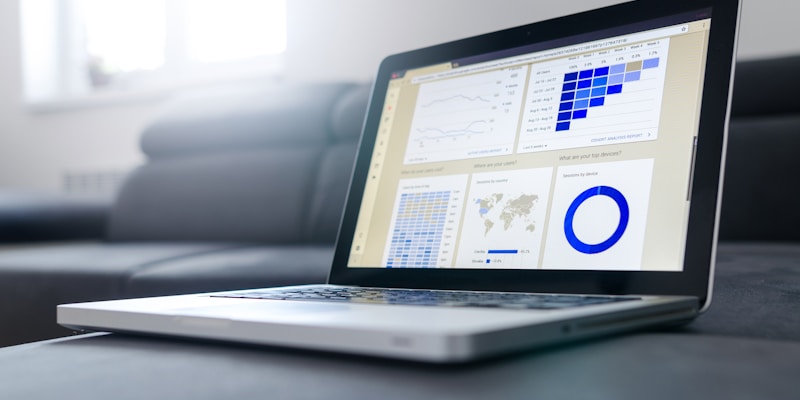
Beyond efficiency, ERP provides data-driven decision making. Dashboards show you which products are profitable, which customers are overdue, and where your cash flow stands — all without waiting for someone to compile a report.
How Much Does ERP Cost for a Singapore SME?
Costs vary widely depending on complexity. Off-the-shelf cloud ERP solutions can start from $200 to $500 per month for basic packages. Custom ERP development, tailored to your exact workflows, typically ranges from $15,000 to $50,000 for an initial build, with ongoing maintenance fees.
The key consideration is not just the sticker price but the return on investment. If ERP saves your team 20 hours per week in manual data entry and reduces invoicing errors by 80%, the system often pays for itself within six to twelve months. Government grants can offset 50% or more of qualifying costs, making the decision even more compelling.
What Should SMEs Look for When Choosing ERP?
Focus on three criteria: fit, flexibility, and support. The system must fit your actual workflows, not force you into a generic template. It should be flexible enough to grow with your business. And the vendor must provide responsive, local support — not a helpdesk in another timezone.
Many Singapore SMEs find that a custom-built ERP, designed around their specific processes, outperforms off-the-shelf solutions that require expensive customisation to work properly. A system built for your business from day one eliminates the compromises that come with adapting generic software.
Frequently Asked Questions
Can a very small business with fewer than 10 employees benefit from ERP?
Absolutely. Even a five-person team can benefit from automating invoicing, tracking inventory, and having real-time financial visibility. The goal is not complexity but eliminating repetitive manual work that slows your team down.
How long does it take to implement ERP for an SME?
A basic cloud ERP can be set up in two to four weeks. Custom ERP solutions typically take two to four months depending on scope. The key is phased implementation — start with your most painful process and expand from there.
Is my data safe in a cloud ERP system?
Reputable cloud ERP providers use enterprise-grade security including encryption, regular backups, and access controls. For most SMEs, cloud storage is actually more secure than keeping data on a local computer or shared drive with no backup strategy.
Ready to Transform Your Business?
Let Digital Perpetual help you automate, streamline, and grow.
Get Started with Digital Perpetual →