Supply Chain Visibility for Singapore SMEs

Supply chain visibility gives Singapore SMEs the ability to track inventory, shipments, and supplier performance in real time — replacing guesswork with data-driven decisions. Without it, businesses operate blindly, discovering problems only when customers complain about late deliveries or products go out of stock.
Why Is Supply Chain Visibility a Growing Priority?
Singapore SMEs increasingly operate in complex supply networks. Even a small business may source materials from multiple countries, store inventory across locations, and ship to customers through various channels. Each handoff point is a potential blind spot where delays, losses, or quality issues can occur undetected.
The pandemic years exposed how fragile opaque supply chains really are. Businesses that could see their supply chain in real time adapted quickly. Those that could not spent weeks making phone calls and sending emails trying to find out where their goods were.
What Does Good Supply Chain Visibility Include?
At its core, supply chain visibility means knowing three things at any moment: where your inventory is, what is coming in, and what is going out. For a trading company, this means real-time stock levels across warehouses, expected arrival dates for purchase orders, and delivery status for customer orders.
Advanced visibility adds supplier performance metrics — on-time delivery rates, quality rejection rates, and lead time trends. This data helps you identify unreliable suppliers before they cause a crisis and negotiate better terms with your best performers.
How Can SMEs Build Visibility Without Enterprise Software?
You do not need a million-dollar ERP system to gain supply chain visibility. Start by digitising your core data. Move inventory tracking from spreadsheets to a simple database that updates in real time. Use purchase order tracking to monitor incoming shipments. Connect your sales system to inventory so you can see available-to-promise quantities instantly.
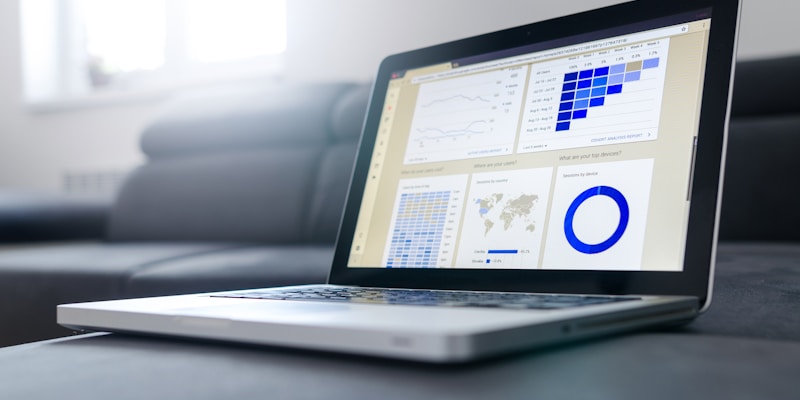
The key is creating a single view that combines inventory, incoming orders, and outgoing shipments. Even a well-structured dashboard that pulls from your existing systems can provide the visibility you need to make better decisions.
What Quick Wins Can You Achieve This Month?
Set up automated low-stock alerts for your top-selling products. This single step prevents the most damaging stockouts. Next, create a simple supplier scorecard that tracks delivery timeliness — even a monthly manual review reveals patterns you can act on. Finally, digitise your purchase order process so every incoming shipment is tracked from order to receipt.
Frequently Asked Questions
How much does it cost to implement supply chain visibility tools?
Basic visibility through inventory management software and simple dashboards can cost as little as SGD 100 to 500 per month for an SME. More comprehensive solutions with supplier portals and real-time tracking range from SGD 500 to 2,000 monthly. Custom-built solutions tailored to your specific supply chain typically require an upfront investment of SGD 5,000 to 20,000.
Can supply chain visibility help with Singapore customs and compliance?
Yes. Tracking shipments digitally means you have accurate records for customs declarations, GST reporting, and trade compliance. Automated systems can flag shipments that require permits or certifications, reducing the risk of delays at customs checkpoints.
How long before we see ROI from supply chain visibility improvements?
Most SMEs see measurable improvements within three to six months. Reduced stockouts, fewer emergency purchases at premium prices, and better supplier negotiations typically deliver returns that exceed the technology investment within the first year.
Ready to Transform Your Business?
Let Digital Perpetual help you automate, streamline, and grow.
Get Started with Digital Perpetual →