How to Automate Invoice Processing for SMEs
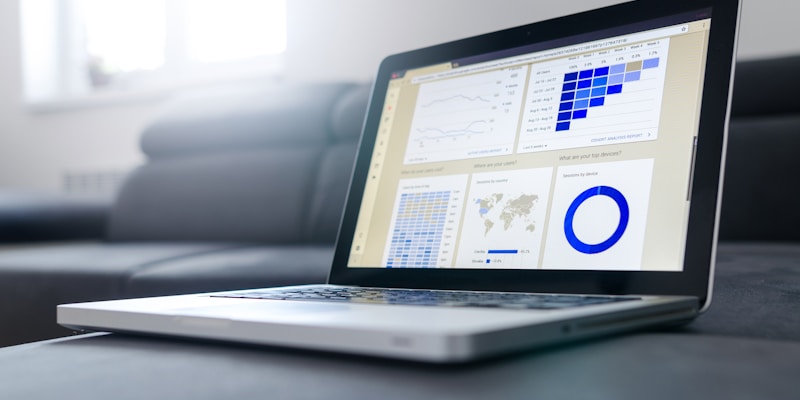
Automating invoice processing for SMEs starts with replacing manual data entry with software that captures, validates, and sends invoices without human intervention. This single change can recover 10 to 15 hours per week for a typical small business and dramatically reduce payment delays caused by lost or forgotten invoices.
Why Is Manual Invoicing Still So Common Among SMEs?
Many SMEs started with simple tools — a Word template, an Excel spreadsheet, or basic accounting software that requires manual input for every transaction. As the business grew, these tools stayed. The team got used to the process, and changing it felt risky or expensive.
The real cost of manual invoicing is hidden. It shows up in late payments because invoices were sent days after delivery. It shows up in disputes because the wrong amount was keyed in. It shows up in cash flow crunches because nobody tracked which invoices are overdue. These are not minor inconveniences — for an SME operating on thin margins, they can threaten the business.
What Does Automated Invoice Processing Look Like?
In an automated system, the process works like this: a sale is recorded or a delivery is confirmed, and the system immediately generates an invoice with the correct line items, pricing, and tax calculations. The invoice is sent to the customer via email or WhatsApp. Payment reminders go out automatically at set intervals. When payment arrives, the system matches it to the invoice and updates your accounts.
No one needs to remember to create the invoice. No one needs to chase payments manually. No one needs to reconcile bank statements line by line. The system handles the repetitive work, and your team focuses on serving customers and growing the business.
What Tools Are Available for Invoice Automation?
Options range from standalone invoicing apps like Xero and QuickBooks to fully integrated ERP systems that handle invoicing as part of a larger workflow. For Singapore SMEs, the choice depends on how connected you need your invoicing to be with other processes like inventory and purchasing.
Standalone tools work well if invoicing is your only pain point. But if you also struggle with stock tracking, purchase orders, or sales reporting, an integrated system that automates invoicing alongside these functions delivers far greater value. Custom solutions can be built to match your exact workflow, including generating invoices in specific formats your customers require.
How Do You Transition from Manual to Automated Invoicing?
Start by documenting your current process. Who creates invoices? What information do they need? Where do they get it? How do invoices reach customers? How are payments tracked? This audit reveals exactly where automation will have the biggest impact.
Next, run the old and new systems in parallel for two to four weeks. This builds confidence and catches any issues before you fully switch over. Train your team on the new system — most modern tools are intuitive, but people need time to build new habits.
Finally, set up reporting dashboards so you can see the impact. Track metrics like average time from delivery to invoice, percentage of invoices paid on time, and total hours spent on invoicing tasks. These numbers will confirm the value of automation and highlight areas for further improvement.
Frequently Asked Questions
Will automated invoicing work with my existing accounting software?
Most modern invoicing tools integrate with popular accounting platforms through APIs or direct connections. If you use a less common system, custom integration is usually straightforward and affordable for a developer to build.
Can automated invoices be customised with my company branding?
Yes. Automated invoicing systems support custom templates with your logo, colours, payment terms, and any other branding elements. Many also support multiple languages, which is useful for SMEs serving diverse markets in Singapore.
What happens if an automated invoice has an error?
Errors in automated invoicing typically come from incorrect source data, not the automation itself. The system generates invoices based on what you input — so if your product prices and customer details are accurate, the invoices will be too. Most systems also allow easy editing and re-sending if corrections are needed.
Ready to Transform Your Business?
Let Digital Perpetual help you automate, streamline, and grow.
Get Started with Digital Perpetual →