How Process Automation Reduces Costs for SMEs
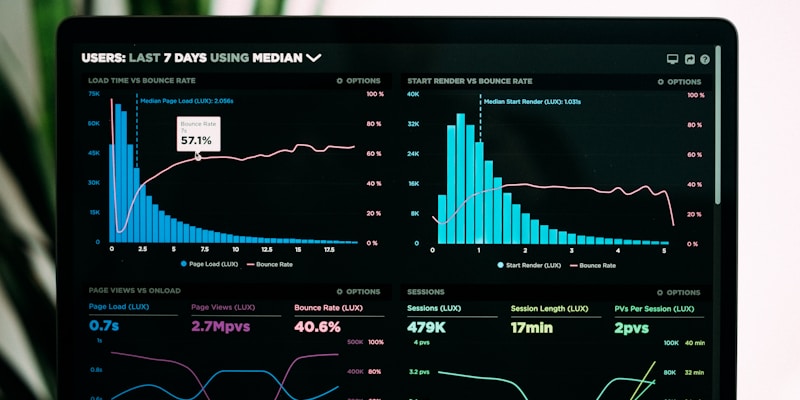
Process automation reduces costs for SMEs by replacing repetitive, manual workflows with software-driven processes that execute consistently and efficiently. For Singapore SMEs operating with lean teams, automation is one of the most effective strategies to scale operations without proportionally increasing headcount or overhead.
How Does Process Automation Reduce Operational Costs?
The primary cost savings from automation come from three areas: labour efficiency, error reduction, and speed. When tasks such as invoice processing, data entry, inventory updates, and customer follow-ups are automated, your team spends less time on routine work and more time on activities that directly generate revenue.
Consider a typical SME that manually processes 200 invoices per month. Each invoice requires data entry, verification, approval routing, and filing — consuming approximately 15 minutes per invoice. That is 50 hours of labour monthly. An automated system can reduce this to near-zero manual effort, processing invoices in seconds with built-in validation and automatic routing.
Which Business Processes Should SMEs Automate First?
Not all processes are equally suited for automation. SMEs should prioritise processes that are high-volume, rule-based, and time-sensitive. Common candidates include accounts payable and receivable processing, purchase order generation, inventory replenishment alerts, customer onboarding workflows, and recurring report generation.
Start by mapping your current processes and identifying bottlenecks. Look for tasks where employees frequently complain about tedious, repetitive work — these are often the best automation candidates. The goal is not to eliminate jobs but to redirect human effort toward strategic, creative, and relationship-building activities.
What Tools Are Available for SME Process Automation?
Singapore SMEs have access to a growing ecosystem of automation tools. For document-heavy processes, robotic process automation (RPA) tools can mimic human actions across multiple software systems. For communication workflows, WhatsApp Business API automation enables automated customer notifications, appointment reminders, and order updates.
Custom ERP integrations offer the deepest level of automation, connecting your core business systems so data flows seamlessly between sales, inventory, accounting, and fulfillment. Unlike off-the-shelf tools, custom integrations can be tailored precisely to your business logic and workflows.
What Results Can SMEs Expect from Automation?
SMEs that implement process automation typically see a 40–60% reduction in time spent on automated tasks within the first quarter. Error rates drop significantly — automated data processing achieves near-perfect accuracy compared to the 1–3% error rate common in manual data entry. Customer response times improve dramatically when automated systems handle routine enquiries and notifications.
The compounding effect is equally important. As you automate more processes, your operational capacity increases without additional staffing costs. This scalability is particularly valuable for growing SMEs that need to handle increasing volume without proportional cost increases.
Frequently Asked Questions
Is process automation expensive to implement for small businesses?
Not necessarily. Many automation solutions are available on subscription models starting from SGD 100–500 per month. Custom integrations require upfront investment but typically deliver ROI within three to six months through labour savings and error reduction. Government grants can further offset costs.
Will automation replace our employees?
Automation is designed to augment your workforce, not replace it. By handling repetitive tasks, automation frees your employees to focus on customer relationships, strategic planning, and creative problem-solving — activities that drive business growth and cannot be easily automated.
How do we measure the ROI of process automation?
Track metrics before and after automation: time spent on the automated process, error rates, throughput volume, and customer response times. Compare the cost of automation (software, implementation, maintenance) against labour savings and error-related costs to calculate your return.
Ready to Transform Your Business?
Let Digital Perpetual help you automate, streamline, and grow.
Get Started with Digital Perpetual →