ERP Systems for Singapore SMEs: A 2026 Guide
Enterprise Resource Planning (ERP) systems enable Singapore SMEs to consolidate finance, inventory, sales, and operations into a single platform — eliminating data silos and reducing costly manual errors. In 2026, adopting ERP is no longer a luxury reserved for large corporations; it is a strategic necessity for small and medium enterprises looking to compete effectively.
Why Do Singapore SMEs Need ERP Systems in 2026?
Singapore's business environment is becoming increasingly competitive. Government initiatives such as the SMEs Go Digital programme continue to push businesses toward digital adoption. An ERP system provides a centralised view of your entire operation, enabling faster decision-making, improved cash flow management, and better compliance with regulatory requirements.
Without ERP, many SMEs rely on disconnected spreadsheets and standalone software. This creates data inconsistencies, delays in reporting, and a lack of visibility across departments. ERP solves these problems by providing a single source of truth for your business data.
What Features Should SMEs Prioritise in an ERP System?
When evaluating ERP solutions, Singapore SMEs should prioritise several key features. First, look for modular architecture that allows you to start with essential modules — such as accounting, inventory, and sales — and expand as your business grows. Second, ensure the system supports Singapore-specific requirements like GST compliance, IRAS e-filing, and multi-currency transactions.
Cloud-based deployment is strongly recommended for SMEs, as it reduces upfront infrastructure costs and enables remote access. Integration capabilities are equally important; your ERP should connect seamlessly with existing tools such as banking platforms, e-commerce systems, and communication channels.
How Can SMEs Implement ERP Without Disrupting Operations?
Successful ERP implementation requires careful planning. Begin with a thorough assessment of your current processes to identify pain points and priorities. Engage key stakeholders from each department early in the process to ensure buy-in and gather requirements.
A phased implementation approach works best for most SMEs. Rather than attempting a full rollout, start with one or two critical modules, train your team thoroughly, and expand gradually. This minimises disruption and allows you to address issues before they compound.
Data migration is often the most challenging aspect of implementation. Clean and validate your existing data before migration, and run parallel systems for a transition period to ensure accuracy. Working with an experienced implementation partner can significantly reduce risk and accelerate time to value.
What ROI Can SMEs Expect from ERP Adoption?
The return on investment from ERP varies by business, but most SMEs see measurable improvements within six to twelve months. Common benefits include a 20–30% reduction in manual data entry, faster month-end closing by up to 50%, improved inventory accuracy, and better visibility into profitability by product, customer, or project.
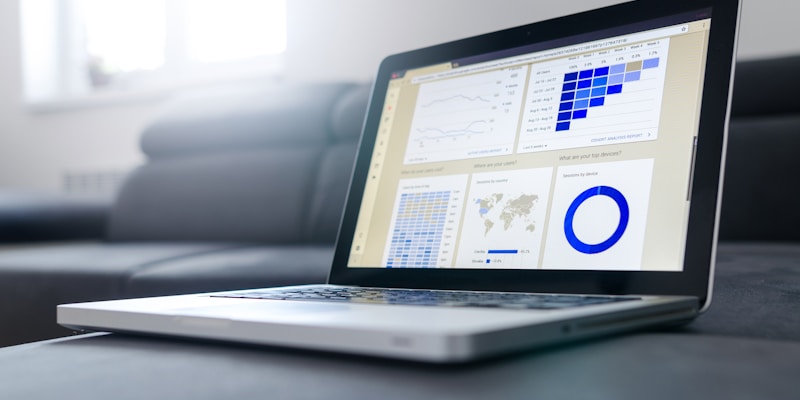
Beyond quantifiable metrics, ERP delivers strategic value through improved decision-making. When your leadership team has access to real-time dashboards and accurate reports, they can identify opportunities and respond to challenges more quickly.
Frequently Asked Questions
How much does an ERP system cost for a Singapore SME?
ERP costs vary widely depending on the solution and scope. Cloud-based systems typically range from SGD 500 to SGD 5,000 per month for SMEs, depending on the number of users and modules. Government grants such as the Productivity Solutions Grant (PSG) can offset up to 50% of qualifying costs.
How long does ERP implementation typically take?
For most SMEs, a phased ERP implementation takes between three to six months. Simpler deployments focusing on core modules can be completed in as little as six weeks, while more complex implementations involving custom integrations may take longer.
Can ERP integrate with our existing accounting software?
Most modern ERP systems offer integration capabilities with popular accounting tools. However, many SMEs find it more efficient to use the ERP's built-in accounting module, which eliminates the need for separate software and ensures data consistency across the organisation.
Ready to Transform Your Business?
Let Digital Perpetual help you automate, streamline, and grow.
Get Started with Digital Perpetual →