Email List Segmentation Strategies for SMEs
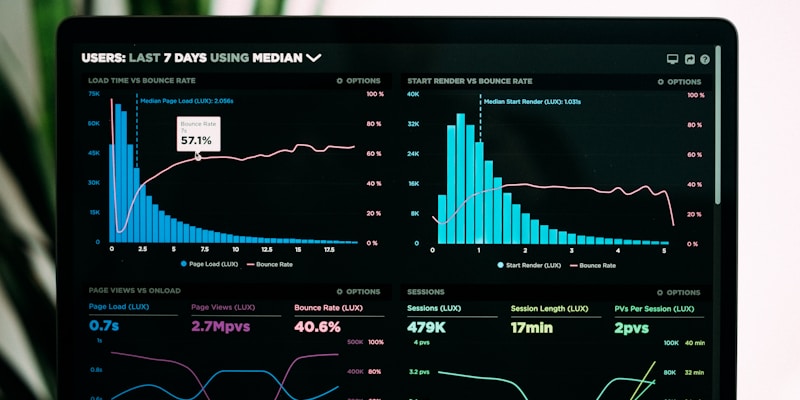
Email list segmentation divides your subscriber base into targeted groups based on shared characteristics — purchase history, engagement level, industry, or interests — so you can send more relevant messages that get opened, clicked, and acted upon instead of generic blasts that get ignored.
Why Does Segmentation Improve Email Marketing Results?
Segmented emails generate significantly higher performance than broadcast messages. Open rates increase by 15% to 30%, click rates double or triple, and conversion rates improve dramatically. The reason is simple: a message about inventory management tools is highly relevant to someone who downloaded your warehouse guide but irrelevant to someone interested in HR automation.
Segmentation also reduces unsubscribes. When every email feels relevant, subscribers stay on your list longer. When they receive messages that do not apply to them, they unsubscribe or worse — mark your email as spam, hurting your deliverability for everyone.
What Segmentation Criteria Should SMEs Start With?
Begin with three practical segments: purchase history, engagement level, and source. Purchase history tells you what someone has already bought and what they might need next. Engagement level — active openers versus inactive subscribers — determines the message tone and frequency. Source — how they joined your list — indicates their initial interest.
For B2B SMEs, add industry and company size segments. A message framed for a retail business resonates differently than one framed for a professional services firm, even if the underlying product is the same. Tailoring examples and case studies to the recipient's industry makes your content feel personalised.
How Do You Collect the Data Needed for Segmentation?
Capture segmentation data at sign-up. Ask one or two qualifying questions — industry, company size, or primary challenge — during the opt-in process. Keep it minimal to avoid reducing sign-up rates. Additional data is gathered from behaviour: what emails they open, what links they click, and what pages they visit on your website.
Purchase data from your CRM or e-commerce platform is the richest segmentation source. Past purchases predict future interests. Someone who bought your basic plan is a candidate for an upgrade message. Someone who purchased product A but not complementary product B is a candidate for a cross-sell campaign.
How Many Segments Should an SME Manage?
Start with three to five segments and expand only when you have the content capacity to send different messages to each. A segment without tailored content receives the same generic message as everyone else, defeating the purpose. It is better to have three well-served segments than ten segments where most receive the same email.
Automate segment assignment wherever possible. When a subscriber clicks a link about topic X, they automatically join the topic X interest segment. When a customer makes a purchase, they automatically move from prospect to customer segment. Manual segmentation does not scale — automation does.
Frequently Asked Questions
Will segmentation require more content creation?
Not necessarily. Start by varying only the introduction and examples in your emails while keeping the core content the same. A message about digital transformation can open with a retail example for retail segments and an F&B example for F&B segments. This modular approach multiplies your effective content with minimal additional effort.
How do we re-engage inactive subscribers?
Create a re-engagement segment for subscribers who have not opened an email in 90 days. Send them a specific re-engagement email with a compelling subject line — \"Should we stop emailing you?\" performs well. If they do not engage after two to three re-engagement attempts, remove them from your active list to maintain healthy deliverability.
Can we segment based on email engagement alone without purchase data?
Yes. Engagement-based segmentation — frequent openers, occasional openers, and inactive — is powerful on its own. Frequent openers receive your full content schedule. Occasional openers receive only your best-performing content. Inactive subscribers receive re-engagement campaigns. This simple segmentation significantly improves overall list performance.
Ready to Transform Your Business?
Let Digital Perpetual help you automate, streamline, and grow.
Get Started with Digital Perpetual →