Automating Invoice Generation: A Practical Guide
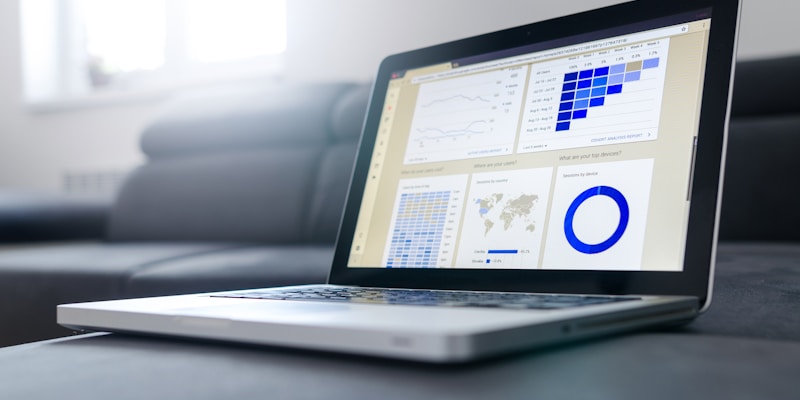
Automated invoice generation eliminates the manual work of creating, sending, and tracking invoices by connecting your sales or order system directly to your billing process. When an order is confirmed or a service is delivered, the invoice is created and sent automatically — reducing time-to-payment and eliminating data entry errors.
Why Does Manual Invoicing Cost More Than You Think?
The direct cost of manual invoicing is straightforward to calculate. If a staff member spends 15 minutes creating and sending each invoice, and your business issues 200 invoices per month, that is 50 hours of labour — more than a full work week — dedicated solely to invoicing. At typical Singapore SME salary rates, this represents SGD 1,500 to SGD 2,500 in monthly labour cost for a single administrative task.
The indirect costs are larger. Manual invoices are frequently delayed because the staff member is busy with other tasks, has incomplete information, or is simply overwhelmed by volume. Every day an invoice is delayed is a day your payment is delayed. For a business with SGD 500,000 in monthly revenue, a five-day reduction in average invoicing delay can improve cash flow by SGD 80,000 or more at any given time.
Errors in manual invoices create additional costs. Wrong amounts, incorrect customer details, missing line items, and calculation mistakes all lead to disputes, credit notes, and re-invoicing — each consuming more staff time and further delaying payment. Studies consistently show that manual invoicing carries an error rate of 2 to 5 percent.
How Does Automated Invoicing Work?
Automated invoicing connects your sales or service delivery system to your billing process through software integration. The workflow typically follows this pattern: a triggering event occurs — an order is confirmed, a delivery is completed, a service milestone is reached — and the system automatically generates an invoice using the relevant data.
The invoice pulls customer details from your CRM or customer database, line items from the order or service record, pricing from your rate card, and payment terms from the customer's account settings. The completed invoice is formatted according to your template, assigned a sequential invoice number, and sent to the customer via email or WhatsApp.
Simultaneously, the invoice is recorded in your accounting system, the accounts receivable balance is updated, and a payment tracking record is created. When payment is due, the system can send automated reminders. When payment is received, the invoice is marked as paid and the records are updated across all connected systems.
What Do You Need to Set Up Automated Invoicing?
The minimum requirements are a digital record of your sales or service delivery, a customer database with contact and billing details, and a system capable of generating and sending documents. If you are currently using spreadsheets for order tracking and a separate accounting package for invoicing, the automation project connects these two systems.
Template design is an important early step. Your invoice template should include all legally required information for Singapore — your company's UEN, GST registration number if applicable, clear payment terms, and bank account details. A well-designed template reduces customer queries and speeds up payment.
For GST-registered businesses, the system should automatically calculate and display GST correctly, handle zero-rated and exempt supplies, and generate GST reports. This automation extends the value beyond invoicing into tax compliance.
What Are the Best Practices for Implementation?
Start with your highest-volume invoice type. If 70 percent of your invoices are for standard product sales, automate those first. Custom or complex invoices that require manual review can be automated in a second phase.
Build in approval workflows where needed. Not every invoice should be sent without review. High-value invoices, new customer invoices, or invoices with unusual line items can be flagged for manual approval before sending, while routine invoices flow through automatically.
Test thoroughly before going live. Generate a batch of automated invoices and compare them line by line with what you would have created manually. Verify calculations, formatting, customer details, and delivery. One week of parallel running catches issues before they reach customers.
Monitor payment patterns after implementation. Automated invoicing typically reduces days-sales-outstanding by 5 to 15 days because invoices are sent immediately and reminders are consistent. Track this metric to quantify the financial impact of your automation investment.
Frequently Asked Questions
Can automated invoicing handle different currencies and tax rates?
Yes, modern invoicing systems support multiple currencies with automatic exchange rate updates, and configurable tax rates for different jurisdictions or product categories. For Singapore businesses dealing with international customers, the system can generate invoices in the customer's preferred currency while maintaining your SGD accounting records.
What if a customer needs a custom invoice format?
Most automated systems support multiple invoice templates. You can configure different formats for different customer segments or specific customers who require particular information on their invoices. The automation handles the formatting — you just need to set up the template once per customer type.
How does automated invoicing integrate with my existing accounting software?
Integration typically works through APIs that connect your invoicing system to your accounting package. Common integrations with Xero, QuickBooks, and MYOB are well-established. Invoices generated by the automation system are automatically recorded in your accounting software, eliminating the need for double entry and ensuring your financial records are always current.
Ready to Transform Your Business?
Let Digital Perpetual help you automate, streamline, and grow.
Get Started with Digital Perpetual →