AI Search Traffic Drop: Why Your Singapore SME Website Lost Clicks in 2026
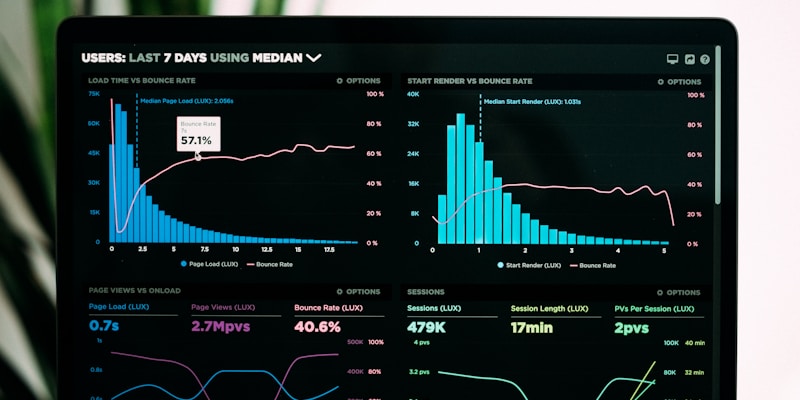
If your Singapore SME website is getting fewer clicks in 2026 while your Google rankings look unchanged, the most likely cause is AI search: Google AI Overviews and assistants like ChatGPT, Gemini, Perplexity and Copilot now answer the question on the spot, so the searcher never visits your page. Your visibility did not fall, your clicks did. The fix is not more blog posts. It is restructuring a handful of pages so the AI quotes you as the source, and making sure the enquiries that do arrive actually reach a human inbox.
How do I confirm AI search is what cut my traffic?
Before changing anything, prove the cause. There are three cheaper explanations that look identical from the outside: a site change, a tracking break, or seasonality. Check these in order, using Google Search Console and your analytics.
- Impressions flat or up, clicks down. This is the signature of AI search. People still see you in results, they just stop clicking. If impressions fell too, you have a ranking or indexing problem instead, which is a different job.
- Click-through rate down on informational queries only. Compare your how, what and why queries against your brand name and product pages. Questions get absorbed by AI answers first. Brand searches and buying-intent searches hold up far longer.
- New referral sources appearing. Look for chatgpt.com, perplexity.ai, copilot.microsoft.com and gemini.google.com in your referral report. These are usually small in volume and unusually strong in quality, because the assistant has already pre-qualified the visitor before sending them.
If tracking broke at the same time as a site update, or your analytics tag is missing from half your pages, fix that first. Diagnosing a measurement fault as a market shift wastes a quarter.
Why does AI search skip some businesses and quote others?
An AI answer is assembled from sources it can read, verify and attribute in a sentence. Pages written as brochures give it nothing to lift. Pages written as clear, specific, attributable answers get quoted by name.
In the Singapore SME sites we review, the same gaps come up repeatedly:
- No direct answer near the top. The page opens with company history and reaches the answer in paragraph six. The AI takes the competitor who answered in sentence one.
- No specifics. Competitive pricing and fast turnaround are unquotable. A typical range, a stated lead time in working days, a minimum order quantity: those are facts an assistant can repeat.
- No local grounding. Generic global content loses to pages naming Singapore conditions, the relevant agency or scheme, and the real local terminology your buyers use.
- No machine-readable identity. Missing structured data, an unclaimed or stale Google Business Profile, and inconsistent name, address and phone across directories all make you harder to cite with confidence.
What should a 10 to 30 person company actually change?
This is a focused piece of work, not a rebuild. Prioritise the pages that already earn impressions, because they are the ones AI is already reading.
- Rewrite your top five pages to answer first. Put the direct answer in the opening 40 to 60 words, then the detail. Use question-shaped headings that match what people type.
- Add facts only you have. Your own numbers, timelines, process steps and client outcomes cannot be synthesised from anywhere else, which is exactly why they get cited.
- Add schema markup. Organization, LocalBusiness, Product or Service, and FAQPage where genuine. This is how a machine confirms what your business is, where it operates and what it sells.
- Fix the quotable basics. Visible UEN, address, operating hours, a phone number that is answered, and an author or company credential that signals the answer came from a practitioner.
- Test the enquiry path end to end. Submit your own form from an outside email account. An AI-driven visitor arrives ready to buy. If the form posts to an address nobody checks, or your notification lands in spam because your email authentication is incomplete, the traffic recovery is invisible and you conclude, wrongly, that nothing worked.
How long does recovery take, and what should I expect?
Expect the shape of your traffic to change permanently rather than return to 2024 levels. Informational clicks are structurally lower now. What recovers is the valuable part: fewer visitors, higher intent, more enquiries per visit.
Practically, structured data and page changes are usually recrawled within days to a few weeks. Being consistently quoted by assistants takes longer, typically one to two quarters, because they lean on corroboration across sources. So set the measure accordingly. Stop managing to sessions, start managing to enquiries, qualified enquiries and closed work. A 30 percent traffic fall alongside steady enquiry volume is not a crisis, it is a cleaner funnel. A 30 percent traffic fall with enquiries down the same amount is a revenue problem that needs attention this quarter.
The risk of doing nothing is quiet and compounding. Competitors who become the cited answer inherit the question for years, and you will not see it happen in your rankings report, because you are still ranking. You are simply no longer the source.
Frequently asked questions
Is traditional SEO dead now that AI answers the question?
No. AI answers are still built largely from pages that rank well, so technical health, relevance and credible content still decide whether you are eligible to be quoted. What has changed is that ranking alone no longer guarantees a click, so the content has to be written to be extracted, not just to be found.
Can I block AI assistants from using my content?
You can restrict some AI crawlers through robots.txt and your content terms, and a few publishers do. For an SME chasing enquiries this is usually the wrong trade: blocking removes you from the answers your buyers now read, which costs more than the content is worth protecting. Price lists and proprietary methodology are the fair exception.
How do I know if AI assistants currently recommend my business?
Ask them. Run the 10 questions a buyer would ask before hiring you across ChatGPT, Gemini, Perplexity and Copilot, and record whether you appear, who appears instead, and whether the facts stated about you are correct. Repeat it quarterly. Wrong facts about your own business are common and worth correcting at the source.
Ready to Transform Your Business?
Let Digital Perpetual help you automate, streamline, and grow.
Get Started with Digital Perpetual →