AI Chatbots for Customer Service: SME Buyer's Guide
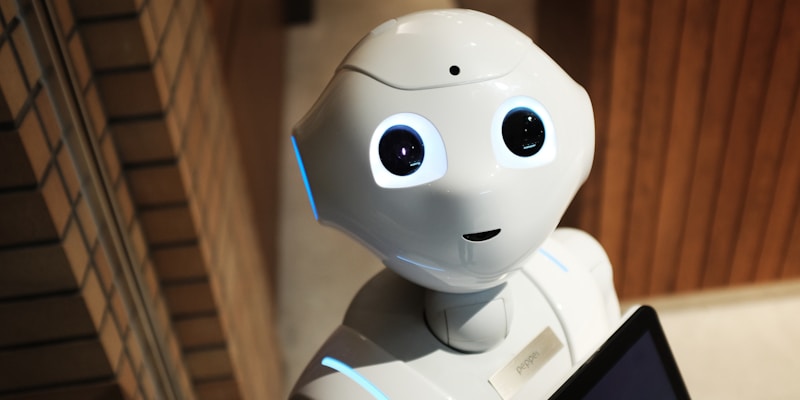
Should your Singapore SME invest in an AI chatbot for customer service? If your team spends significant time answering the same questions — pricing, operating hours, order status, return policies — the answer is almost certainly yes. Modern AI chatbots can handle 60 to 80 percent of routine enquiries automatically, freeing your team to focus on complex issues that require human judgment and empathy.
What Can AI Chatbots Actually Handle in 2026?
Today's AI chatbots go far beyond the scripted decision trees of a few years ago. Powered by large language models, they can understand natural language, handle variations in how customers phrase questions, maintain context across a conversation, and even detect sentiment to escalate frustrated customers to human agents. They can access your product database, order management system, and knowledge base to provide specific, accurate answers.
For Singapore SMEs, particularly valuable capabilities include multilingual support (English, Mandarin, Malay, and Tamil without additional development), WhatsApp and Facebook Messenger integration (meeting customers on their preferred channels), and after-hours availability (handling enquiries when your office is closed, which is when many customers actually reach out).
How Do You Choose the Right Chatbot for Your Business?
The chatbot market is crowded, so focus on three decision criteria. First, channel support — where do your customers contact you? If most enquiries come through WhatsApp, choose a platform with strong WhatsApp Business API integration. If your website is the primary touchpoint, a web chat widget is the priority. Second, integration capability — the chatbot should connect to your CRM, order management, and knowledge base so it can provide real, personalised answers rather than generic responses. Third, handoff quality — when the chatbot cannot help, the transition to a human agent should be seamless, with full conversation history passed along so the customer does not need to repeat themselves.
Popular options for Singapore SMEs include Intercom, Zendesk, Freshdesk, and Tidio for general customer service. For WhatsApp-specific implementations, platforms like Respond.io, WATI, and SleekFlow offer strong local support and compliance features. Pricing ranges from $30 per month for basic tools to $500 or more per month for full-featured enterprise solutions.
What Results Can SMEs Expect?
Implementation results vary but follow consistent patterns. Most businesses see 40 to 60 percent of enquiries fully resolved by the chatbot within the first month, rising to 60 to 80 percent as the system learns from interactions. Average response time drops from hours to seconds for chatbot-handled queries. Customer satisfaction scores typically improve because customers get instant answers to simple questions instead of waiting in a queue.
The hidden benefit is data. Every chatbot interaction generates structured data about what customers ask, what products they enquire about, what problems they face, and where they get stuck. This data is invaluable for improving your products, website, and service processes — insights that were previously trapped in individual conversations and never aggregated.
Frequently Asked Questions
Will customers be frustrated by talking to a bot?
Customer attitudes toward chatbots have shifted significantly. Research shows that 69 percent of consumers prefer chatbots for quick answers to simple questions. The key is transparency (tell customers they are interacting with a bot) and easy escalation (always provide a clear path to a human agent). Frustration occurs not from the bot itself, but from poorly designed bots that cannot understand questions, give irrelevant answers, or make it difficult to reach a person.
How long does it take to implement a chatbot?
A basic FAQ chatbot can be deployed in one to two days using a platform like Tidio or Freshdesk. A more sophisticated chatbot with CRM integration, order tracking, and multilingual support typically takes two to four weeks. Custom-built chatbots with deep system integration may take one to three months. Start with a basic deployment and enhance it over time based on customer interaction data — this is faster, cheaper, and produces better results than trying to build the perfect chatbot from day one.
What about data privacy with AI chatbots?
Ensure your chatbot platform complies with PDPA requirements. This means data encryption, clear data retention policies, and consent management for any personal data collected during conversations. Review where the platform stores and processes data — for PDPA compliance, data should ideally remain in Singapore or in jurisdictions with adequate data protection standards. Include chatbot interactions in your privacy policy and data protection framework.
Ready to Transform Your Business?
Let Digital Perpetual help you automate, streamline, and grow.
Get Started with Digital Perpetual →